
MAW and CCNet Europe: A Partnership for Wetland Conservation
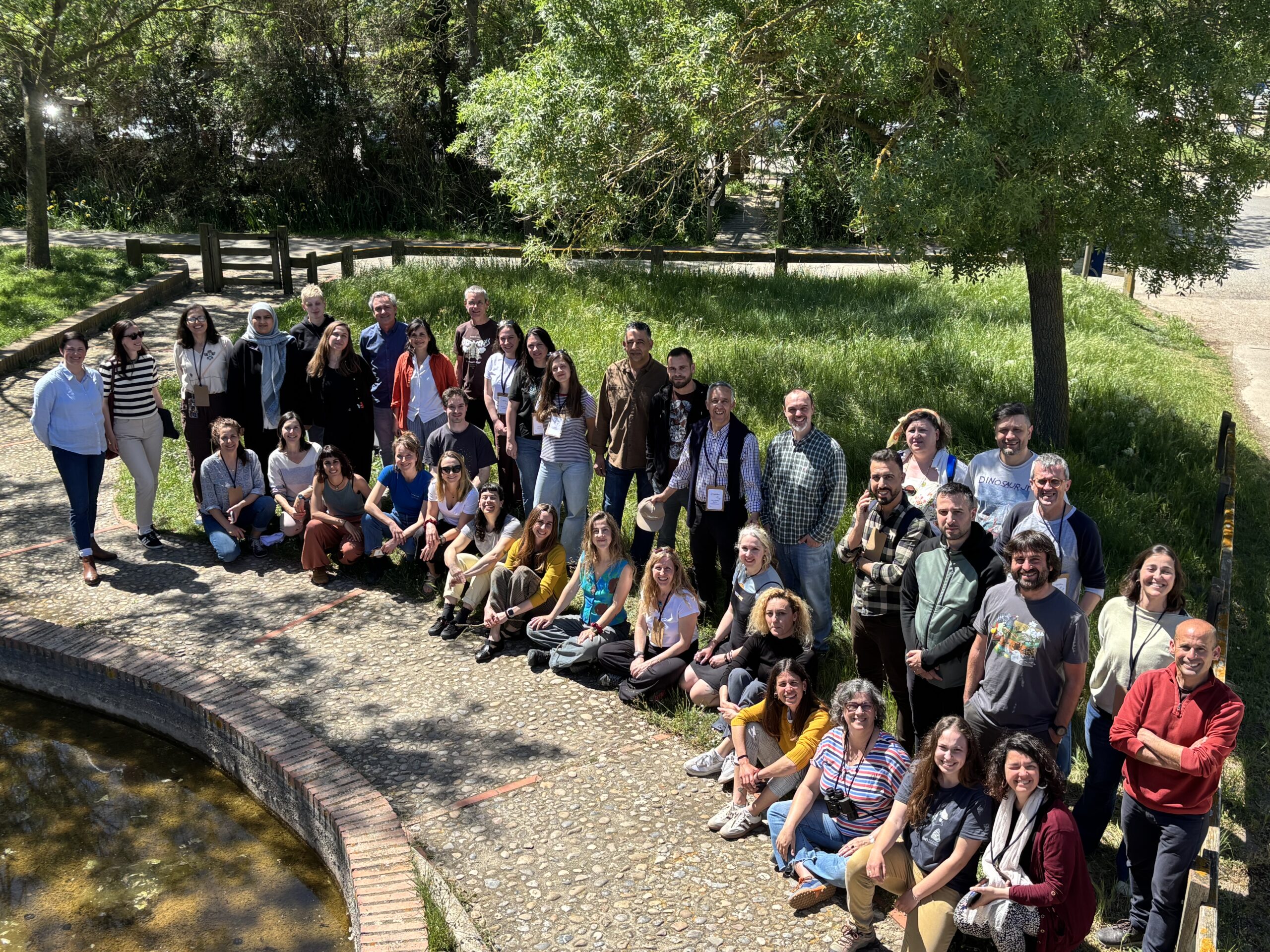
Representatives from the Tour du Valat in France, the Groupe de Recherche pour la Protection des Oiseaux au Maroc (GREPOM) in Morocco and the Macedonian Ecological Society (MES) in North Macedonia, took part in a Conservation Standards training to strengthen the newest Green Light protocol restoration projects.
 Members of the Mediterranean Alliance for Wetlands travelled to Rosas, Spain, in April to take part in an intensive workshop organised by Conservation Coaches Network Europe (CCNet Europe), on the Open Standards for the Practice of Conservation, an internationally recognised framework for designing and managing conservation projects.
The week-long training brought together conservation practitioners from different organisations and regions, creating a space for collaboration, practical experience and knowledge exchange. For the Alliance, this workshop is part of a broader effort to strengthen the skills needed to restore two Green Light sites: the Studenchishta marshes in North Macedonia and the Loukkos wetlands complex in Morocco.
Working alongside their local site partners – the MES and GREPOM – the participants developed “Theories of Change”, strategic roadmaps that link conservation actions to long-term ecological and social outcomes. Following this approach, the practitioners explored the basis of effective conservation planning: establishing a shared vision for a specific project; identifying the common benefits for the community social and ecological well-being that restored wetlands offer; assessing the threats and pressures they face; and designing action plans to achieve measurable changes.
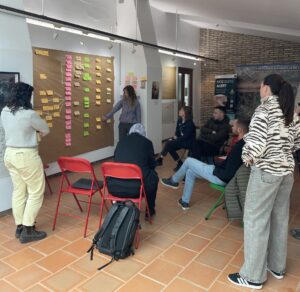
Participative Development of Theories of Change ©CCNet
Beyond the formal training sessions, participants also took part in a 2-day collaborative “Rally” event, which provided an opportunity to exchange ideas with experienced coaches working on conservation challenges in different parts of the world.
The lessons learned are expected to be directly applied in the newest Green Light protocol restoration projects. Among the next steps identified, the most important are closer collaboration with CCNet Europe, participation in mentoring programmes and the integration of Conservation Standards tools into the Alliance’s wider strategy. Discussions also explored the use of Miradi, a project management platform widely used to support adaptive conservation planning.
This training participation was supported through funding from MAVA and the AFD-funded PROZHUM project, reflecting continued investment in strengthening wetland conservation capacity across the Mediterranean region.
As Mediterranean wetlands continue to face pressures from climate change, land-use change and biodiversity loss, strengthening the skills of those working to protect them is proving just as important as restoring the ecosystems themselves.
Learn more about the Green Light protocol and its restoration sites at : https://medallianceforwetlands.org/our-actions-to-protect-wetlands-rivers/
