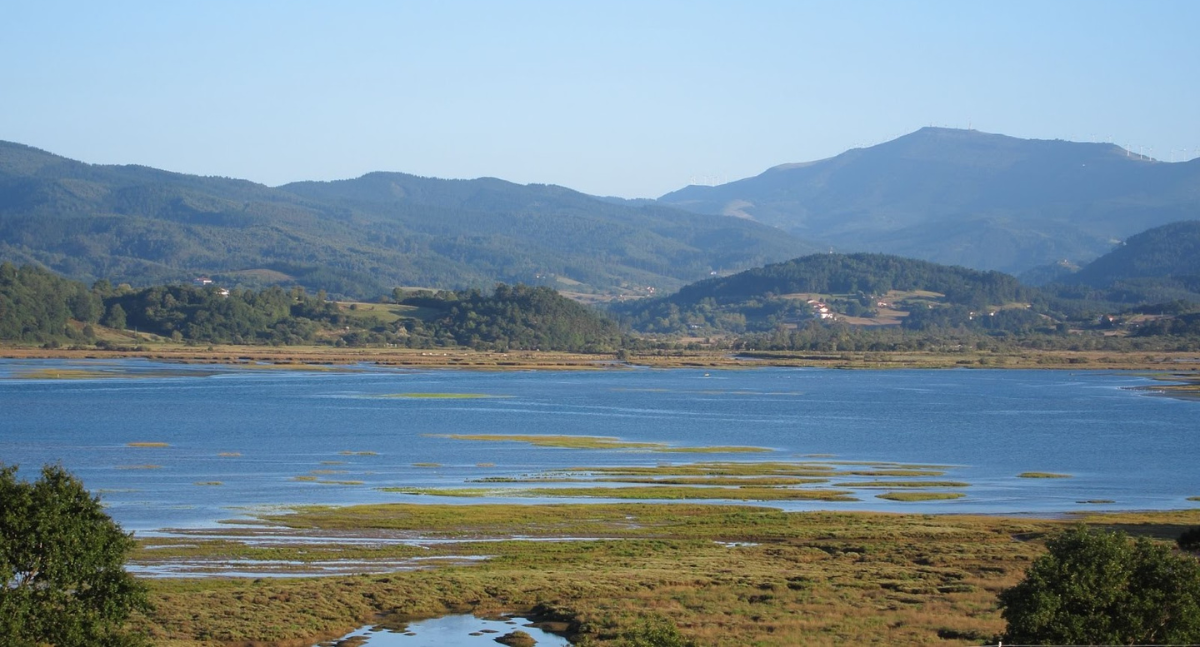


Is a wetland you care about under threat? We can help you stop it.
On top of accelerating climate pressures, Mediterranean wetlands face threats from large-scale development and infrastructure projects. When a civil society organisation needs to act fast to protect a threatened wetland, the MAW Red Alert System provides the international support, strategic expertise, and network mobilisation to make that action count.
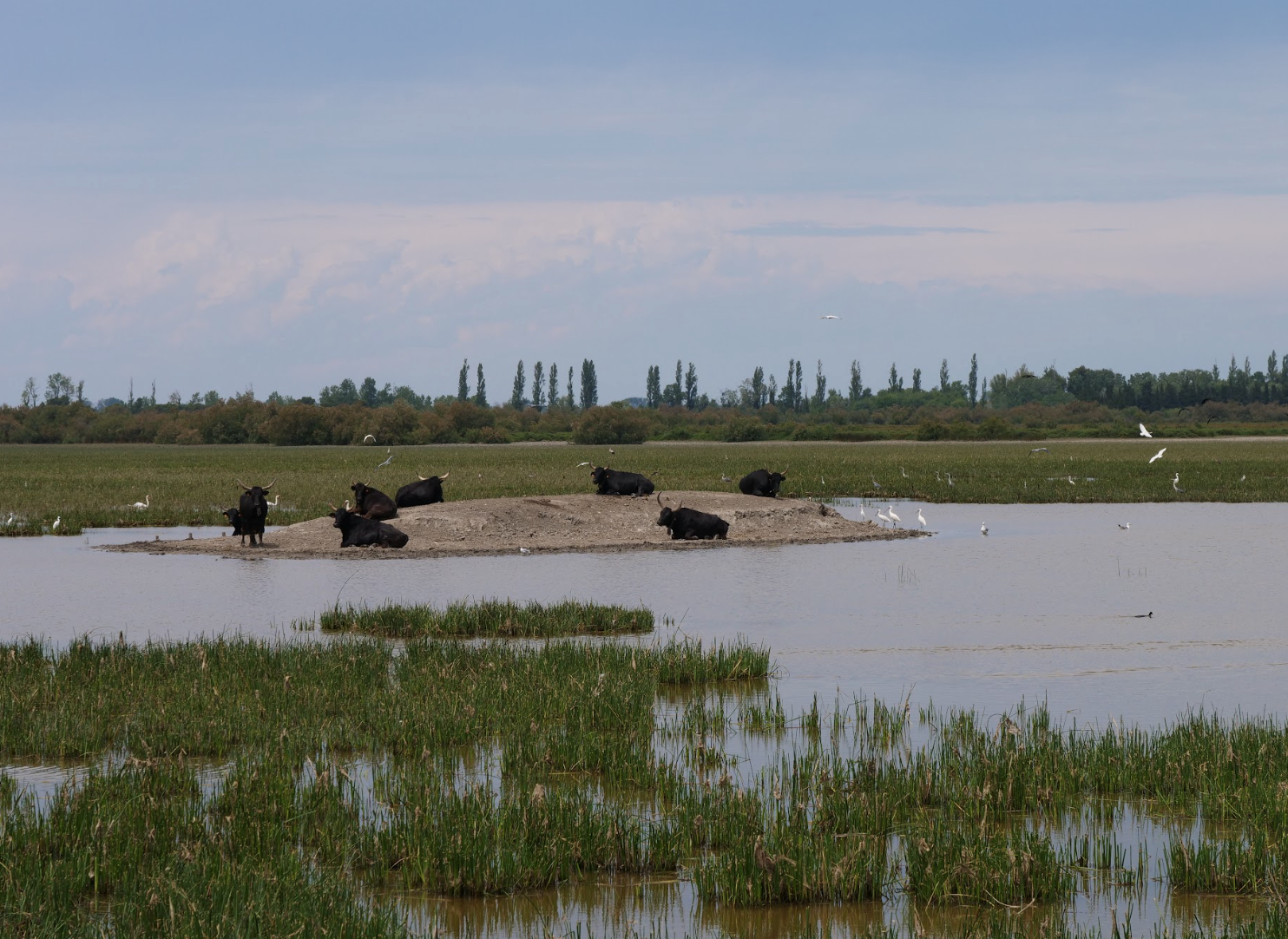
LATEST WIN
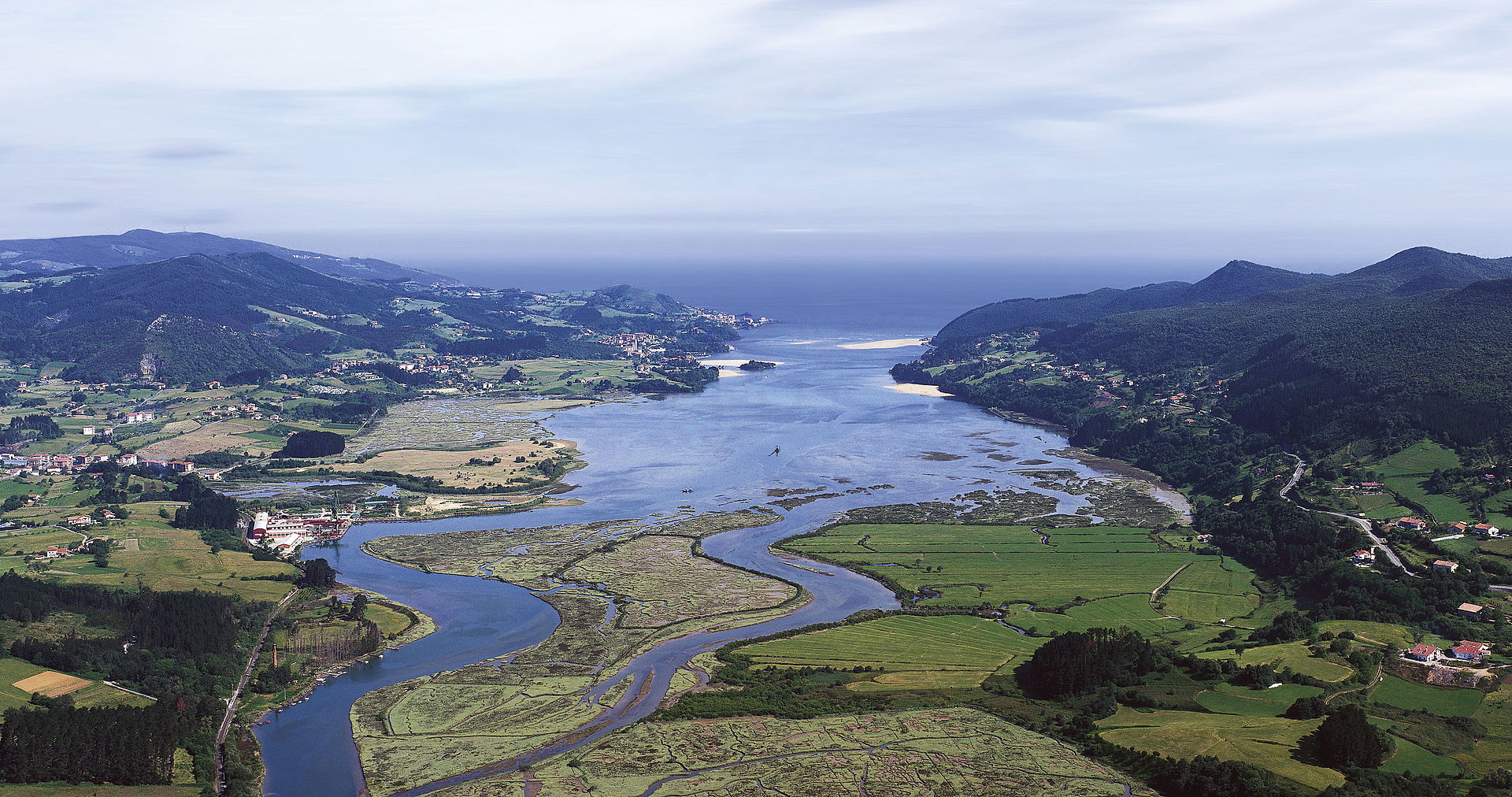
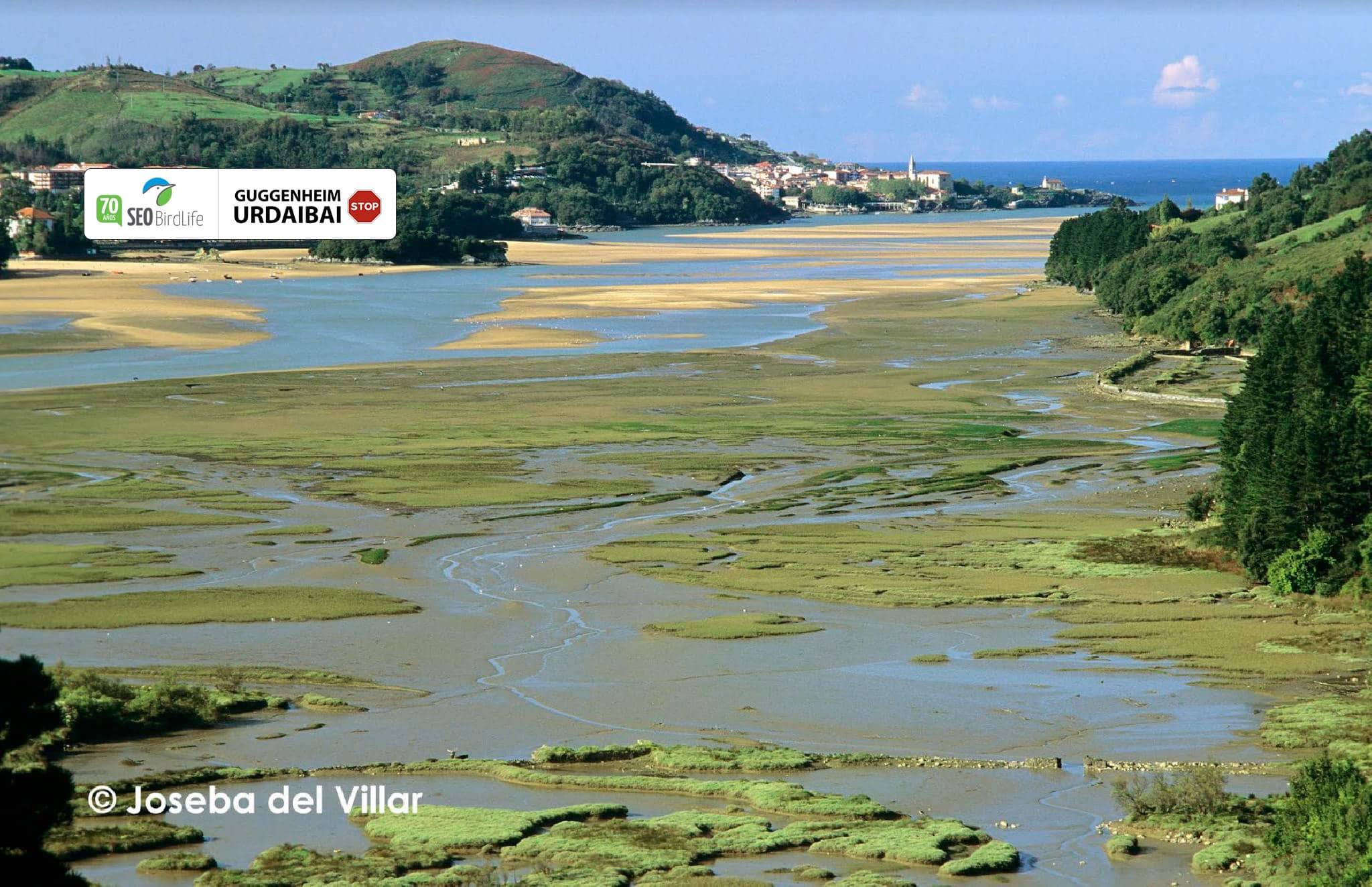
Urdaibai, Spain — Guggenheim expansion project abandoned
The project was declared incompatible with the Urdaibai UNESCO Biosphere Reserve — a critical stopover for thousands of migratory birds. A victory for citizens, science, and wetlands.
What the Red Alert System offers

You can apply if you are:
A civil society organisation
Based in or working in the Mediterranean region
Facing a direct threat to a wetland or river
Applications are free and take approximately 40 minutes. No experience required.
How the Red Alert System works
The Red Alert System initiates rapid, coordinated international action in response to a local wetland facing an imminent threat. Any civil society organisation can trigger the process. MAW Steering Committee evaluates the case, assembles a task force, and develops a strategy with the applicant, from the first application to a live international campaign in as little as 8 weeks.
Red Alerts in action
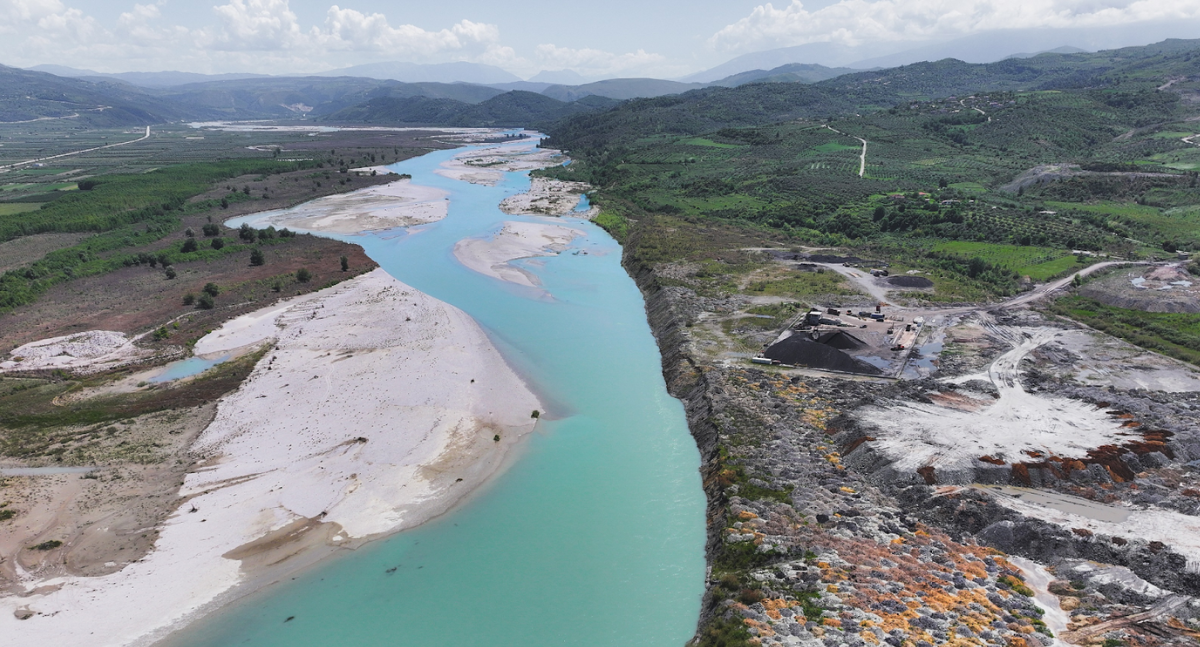
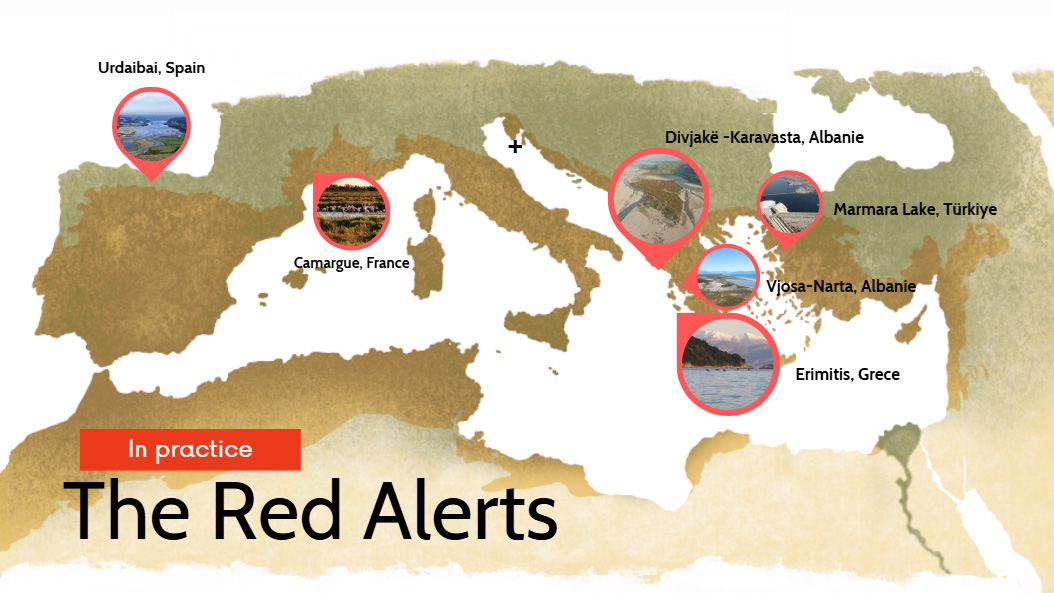
From Spain to Albania, the Red Alert System has helped protect some of the Mediterranean's most threatened wetlands - iconic sites and biodiversity hotspots critical to the Mediterranean region.


Red Alerts across the Mediterranean
Explore past and active Red Alerts across the Mediterranean Basin.
RED ALERT SYSTEM
Is your wetland under threat?
If you are a civil society organisation in the Mediterranean facing a direct threat to a wetland or river, the Red Alert System is designed for you. Applications are free and take approximately 40 minutes to complete. There is no requirement for prior experience in international advocacy.
Latest Red Alert updates
Follow the progress of active Red Alerts and learn from past cases.