
Carska Bara: A Green Light to Restore one of Serbia’s Most Iconic Wetlands
In the Banat region of Vojvodina lies Carska Bara – Serbia’s largest and most iconic wetland complex. Known for its rich mosaic of reedbeds, marshes, forests, alkaline grasslands and slow-moving waterways, it holds multiple conservation designations (Ramsar, IBA, KBA and Special Nature Reserve). Yet despite its ecological importance, Carska Bara has faced decades of degradation linked to pollution, altered hydrology, invasive species, sediment buildup and increasing drought pressure.
Today, a new initiative under the Green Light Protocol is laying the foundations for its recovery.
A Wetland of Exceptional Biodiversity
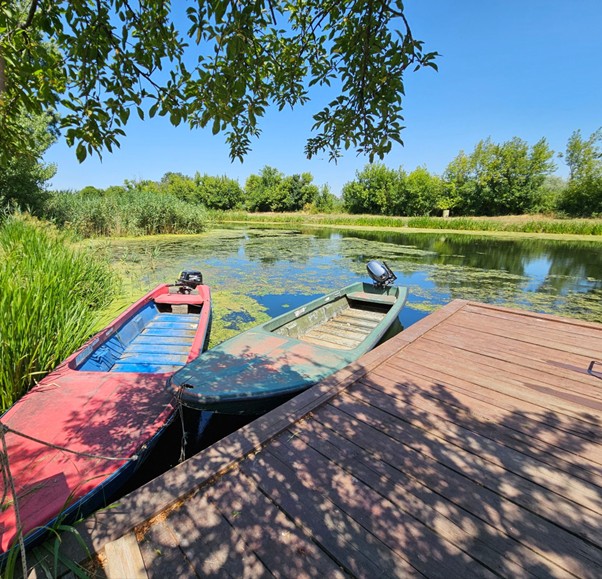
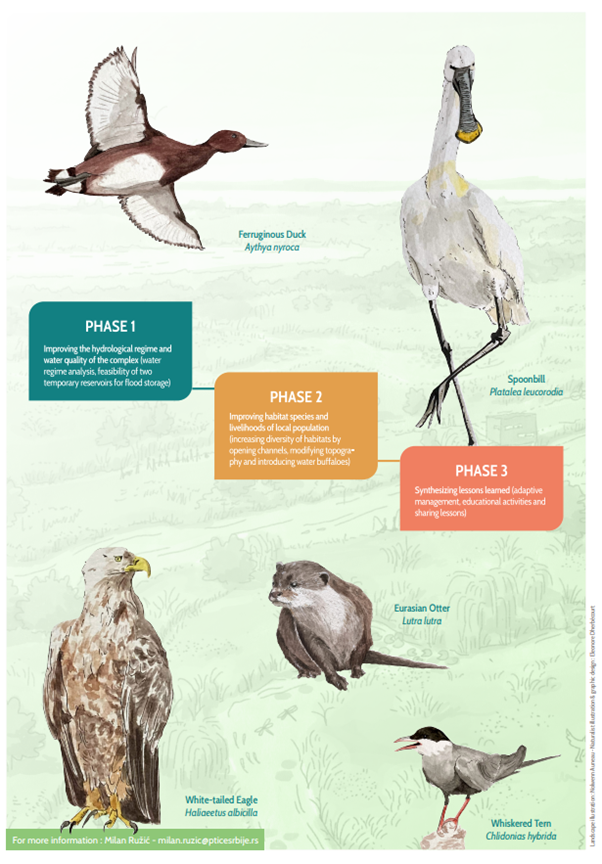
Carska Bara shelters more than 250 bird species, 500 plant species, and remarkable wetland wildlife, from the Eurasian otter and fire salamander to whiskered terns, storks, and the globally threatened Ferruginous Duck. Its reedbeds, gallery forests, and shallow lakes support one of the richest wetland assemblages in the Pannonian Basin.
However, decades of canalization, water pollution from the Begej and Tisa rivers, invasive trees such as Acer negundo and Fraxinus pennsylvanica, and the gradual infilling of lagoons by sediment and reeds have severely undermined the functioning of this unique ecosystem.
A Vision Shaped Through the Green Light Protocol
In 2025, the Green Light team, composed of Milan and Kristina from the Bird Protection and Study Society of Serbia (BPSSS), Lorena as representative of the Mediterranean Alliance for Wetlands from Tour du Valat, and Rob MacInness an external wetland expert, visited the Carska Bara site for an initial assessment. Through field missions, problem analysis, and discussions with key local stakeholders including managers, researchers and governmental authorities, the team worked together to develop a shared vision for the restoration of the wetland.
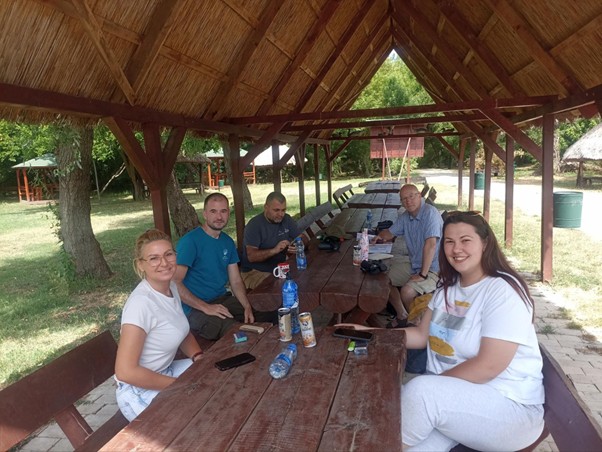
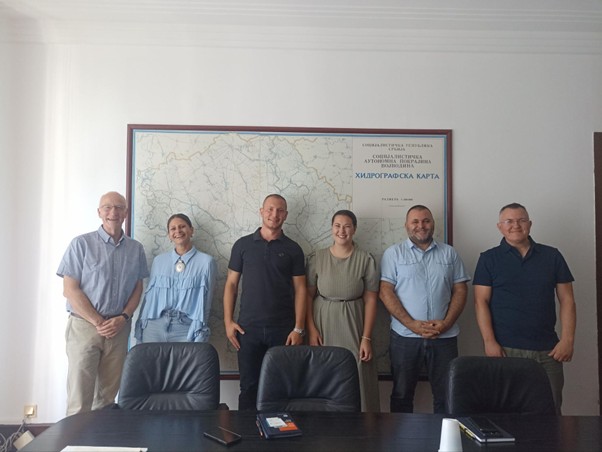
Credits: Lorena Segura
Together, they defined a shared long-term vision:
A functional, climate-resilient Carska Bara that benefits both nature and local communities.
The Green Light Protocol helped establish five strategic objectives:
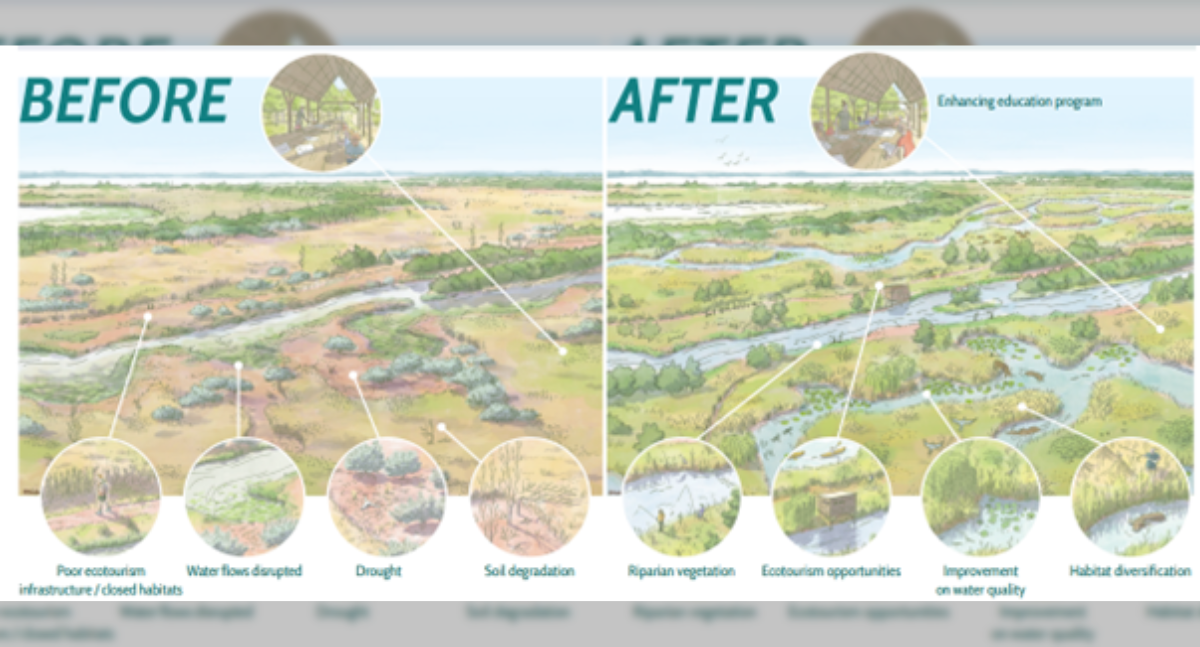
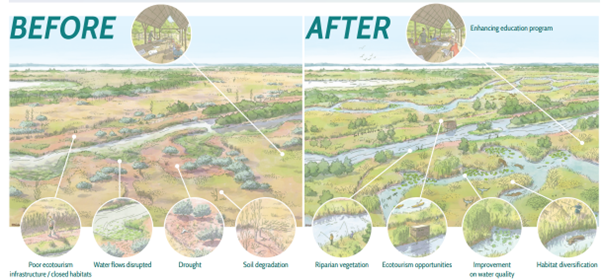
- Restore hydrology by improving water flow from the Begej River and reducing sedimentation.
- Improve water quality through monitoring, sediment removal, and nature-based treatment solutions.
- Revive habitats by managing reedbeds, re-profiling channels, removing invasive trees, introducing water buffaloes to enhancing alkaline grasslands.
- Strengthen local livelihoods through training in reed harvesting, eco-tourism development, reed-based products, and community engagement.
- Share lessons learned nationally and internationally to inspire future wetland recovery efforts.
A Long-Term Opportunity for People and Nature
Successful restoration would re-establish Carska Bara as a thriving wetland landscape, rich in open water, reedbeds, woodlands and grasslands, and alive with herons, spoonbills, otters and migratory waterbirds. It will also create new economic opportunities for surrounding villages such as Belo Blato, Perlez and Ečka through nature-based tourism, sustainable harvesting and educational activities.
Carska Bara has long been one of Serbia’s natural treasures. Today, with renewed collaboration, scientific guidance, and a clear vision created through the Green Light Protocol, this emblematic wetland has a real chance to thrive again.
Link to the Carska Bara Green Light infographic

Author: admin
admin account